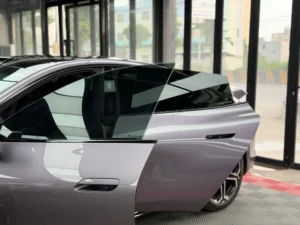
In the automotive aftermarket, window film may seem like a small accessory, but with ongoing technological evolution, it has become a key factor in enhancing comfort, safety, and security. From early days of simple sun-blocking to today’s multi-layered, high-tech protection, the history of car window films is a miniature story of material science advancement.
This article explores modern window film technology, its core functions, its security value in high-risk environments, and a professional guide to making the right purchase.
1. The Evolution of Car Window Film: From Single Purpose to Multi-Functional Defense
🔹 Substrate and Coating Technology
- PET multilayer substrates: Advanced films use co-extruded PET layers, coated with metals like nickel, silver, or titanium via magnetron sputtering. These nano-coatings reflect over 90% of infrared heat while maintaining visible light transmission—solving the old problem of “blocking heat means blocking light.”
- Ceramic films: Using titanium nitride and other non-conductive ceramic particles, they achieve high heat rejection without interfering with GPS, ETC, or wireless signals, making them the preferred choice for smart vehicles.
🔹 Functional Integration
Modern high-end films deliver “all-in-one” performance:
- UV protection (99% UVA/UVB block)
- Scratch-resistant coating (up to 4H hardness)
- Hydrophilic self-cleaning layer (reduces water spots)
- Anti-shatter layer (military-grade films up to 5× stronger than standard)
🔹 Eco-Friendly and Smart Upgrades
- REACH-compliant adhesives: Water-based, zero-VOC formulations replace harmful solvents.
- Smart dimming films: Adjust visible light transmission with voltage, switching seamlessly between privacy and visibility—now featured in luxury side windows and panoramic sunroofs.
2. Core Functions and Lifestyle Value
🌡️ Temperature Control & Energy Efficiency
Premium films reduce summer cabin heat by 8–15°C, lowering AC load by over 30%. This not only improves comfort but also cuts fuel consumption by 0.5–1L per 100 km. In winter, low-emissivity coatings help retain heat inside, creating a stable “thermal comfort zone.”
☀️ Health Protection
Ordinary glass allows harmful UVA rays to penetrate, accelerating skin aging and fading interiors. Professional films block 100% of UVA/UVB, acting as a “sunscreen for your car”—especially vital for children and elderly passengers.
🔒 Privacy & Confidentiality
By adjusting reflectivity, films achieve “clear inside, blurred outside,” preventing prying eyes without compromising visibility. This creates safe private spaces for families or business travelers.
🛡️ Safety Enhancement
In an accident, window films hold shattered glass together, preventing dangerous shards from flying. This reduces secondary injury risk by up to 60% during high-speed impacts.

3. Security Value in High-Risk Environments: The “Invisible Shield”
In areas with complex security challenges, window films provide passive defense beyond comfort:
- Anti-theft concealment: Privacy films obscure valuables inside cars, reducing break-in probability by 72%.
- Break-in delay: Explosion-proof films (≥4mil) increase impact resistance. Normal tempered glass breaks in 1–2 strikes; reinforced films may withstand 5–8 hits, buying time for escape or alert.
- Signal shielding: Metalized films create an electromagnetic barrier, reducing risk of radio-based eavesdropping—useful for business professionals.
- Impact buffer: In violent conflicts (stones, pellets), films absorb shock, lowering breakage risk and enhancing occupant safety.
4. Professional Buying Guide: Five Key Dimensions
① Define Core Needs
- Tropical regions → prioritize IR rejection ≥85%
- High-latitude regions → ensure front windshield ≥70% VLT
- Security-prone areas → choose ≥3mil safety films
- EV/connected cars → confirm signal-friendly certification
② Check Key Parameters
- Visible Light Transmission (VLT): Legal front windshield ≥70%
- Infrared Rejection (IRR): Real measure of heat rejection, not just “TSER”
- UV Block: Must be ≥99%
- Haze level: ≤2% for safe night driving
③ Understand Material Types
| Type | Advantages | Limitations | Best Use Case |
|---|---|---|---|
| Dyed Film | Low cost | Fades, weak heat block | Temporary use |
| Metal Film | Excellent heat rejection | May block signals | Fuel cars, hot regions |
| Ceramic Film | No signal interference, durable | Higher cost | EVs, premium cars |
| Hybrid/Composite | Strong all-round performance | Expensive | High-demand users |
④ Verify Brand & Certification
Look for IWFA (International Window Film Association) or CE-certified products with 5–10 year warranties. Avoid generic or “no-parameter” products.
⑤ Value Installation Quality
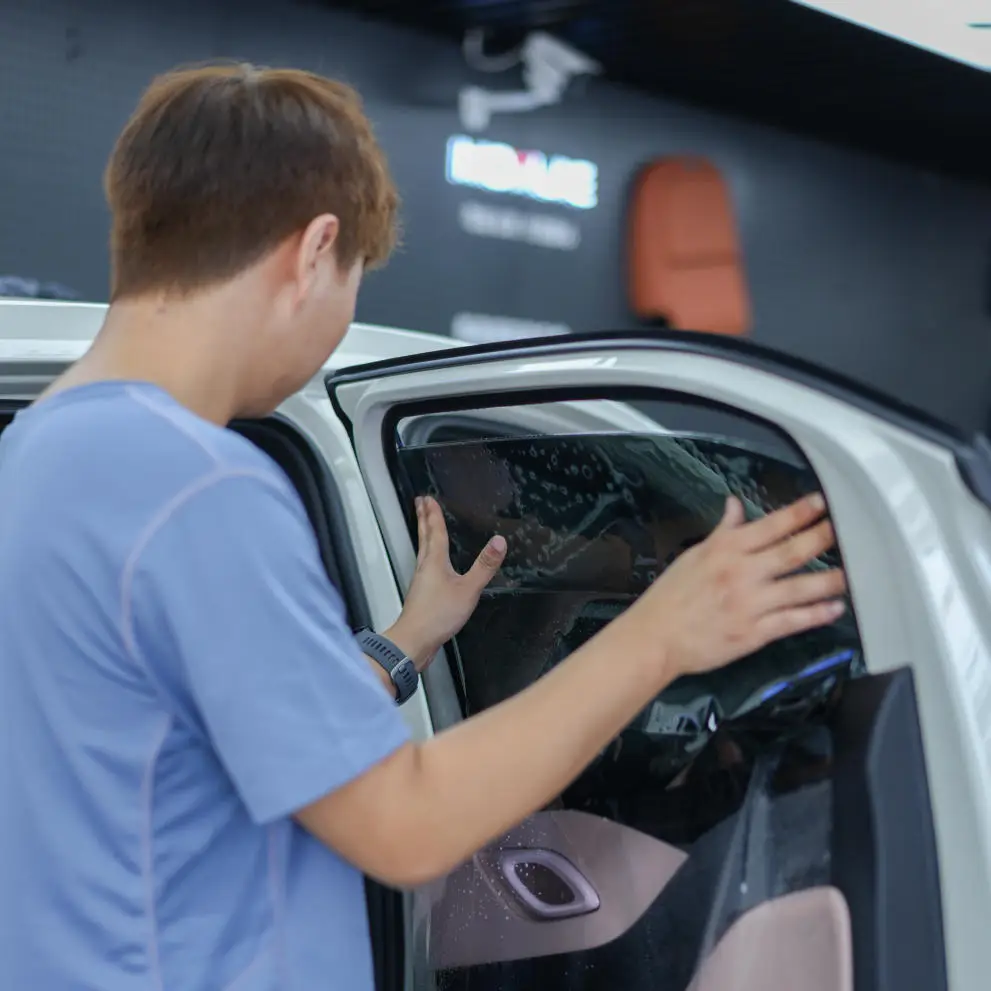
“30% film, 70% installation.” Choose certified shops with dust-free facilities and skilled technicians. Check post-installation for bubbles, folds, and edge sealing.
Conclusion
Car window film has evolved far beyond its original role as a sunshade. It is now a fusion of material science, environmental engineering, and safety defense.
The right film not only enhances comfort and protects health, but also acts as an invisible shield for privacy and security. By understanding technology, evaluating needs, and choosing scientifically, drivers can unlock the full potential of this essential upgrade.