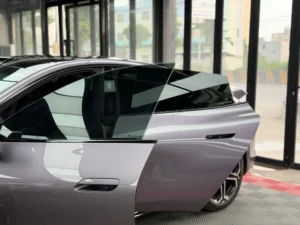
A car is more than just a means of transportation; it’s an extension of the owner’s personal style. In addition to the original paint, paint protection film (PPF) has become an essential option for protecting and enhancing the vehicle’s exterior. TPU paint protection films in matte and glossy finishes have become mainstream in the market thanks to their excellent protective properties and differentiated visual effects. However, many car owners struggle with the choice: Is the understated texture of matte film more appealing, or is the mirror-like sheen of glossy film more refined? What are the differences in protection, maintenance, and cost? This article will provide a comprehensive analysis of the two types of TPU paint protection film, from definitions and key differences to purchasing recommendations.
- What is automotive TPU paint protection film?
Before comparing matte and glossy finishes, let’s first understand their common foundation: TPU material. TPU (thermoplastic polyurethane) is the mainstream base material for paint protection films, combining flexibility and durability. It can conform to the complex curves of a car body while also resisting damage from daily driving, such as stone impacts, UV exposure, and minor scratches. Some TPU films also have self-healing properties, allowing minor scratches to be smoothed out with heat (such as sunlight or low-temperature heat treatment with a heat gun), providing long-term protection for the car paint.
The difference between matte and glossy finishes is essentially the surface treatment process used for TPU films, resulting in distinct visual effects and performance characteristics.
II. Matte TPU Paint Protection Film: A Low-Key, Unique “Tone of Quality”
- Core Definition and Appearance
Matte TPU paint protection film uses a special surface texture treatment to create a non-reflective, low-gloss matte finish. Unlike the mirror-like finish of glossy film, it forms a fine, micro-rough coating on the car body surface, evenly diffusing light and eliminating glare. This type of finish inherently exudes a sense of luxury. For example, matte film applied to black car paint transforms from a “glossy black mirror” to a “deep matte black,” softening the sharpness of the car’s lines and adding a calm, sporty aura. For light-colored car paints like gray and white, matte film can also enhance the “grayscale” of the color, giving the car a more textured look and avoiding the “plastic” feel that can occur with factory paint.
- Core Advantages
- Visual Uniqueness: Say goodbye to the stereotypical glossy paint. The matte texture offers a customizable quality, making it particularly suitable for car owners who pursue a niche, personalized style (such as modified and performance car enthusiasts).
- Defect Concealment: Because the surface is non-reflective, minor scratches, dust, or water stains are difficult to detect, slowing the appearance of wear and tear with daily use.
- Durable Protection: Like glossy TPU film, it offers UV resistance, stone impact resistance, and acid rain corrosion resistance, preserving the car’s paint’s “factory condition” for a long time. III. Glossy TPU Paint Protection Film: A Classic and Exquisite “Glossy” Finish
- Core Definition and Appearance
Glossy TPU paint protection film is a transparent or near-transparent film with a high-gloss finish. When applied to a car’s paint surface, it doesn’t alter the paint’s original color. Instead, it enhances the paint’s gloss by creating a “brightening effect”—essentially adding a “high-definition filter” to the paint, making reds more vivid, blacks more translucent, and whites purer, creating a mirror-like finish similar to a “freshly waxed and polished” finish.
Its design aims to balance protection and brightening: For car owners who appreciate the original paint’s gloss and desire a “new car feel,” glossy film maximizes the paint’s original beauty while protecting it from external damage.
- Core Advantages
- Gloss Enhancement: This film significantly enhances the reflectivity and saturation of vehicle paint, giving the vehicle a more refined look. It’s particularly suitable for dark or metallic paint finishes, adding a touch of class.
- Self-Healing: Most glossy TPU films have a clear “thermal repair” feature. For example, minor scratches left by daily car washes or shallow marks from rubbing against branches can be automatically repaired by exposure to sunlight or low-temperature heating, eliminating the need for additional polishing.
- Easy Maintenance: The smooth, stain-resistant surface allows for daily cleaning with just water or a standard car detergent. No special care products are required, ensuring worry-free long-term use.

Matte vs. Glossy: Four Key Differences
Beyond appearance, the differences between the two in durability, maintenance, and cost directly impact the owner’s experience and budget. The following is a detailed comparison:
Comparison Dimensions: Matte TPU Paint Protection Film Glossy TPU Paint Protection Film
Appearance and Style: The matte texture is understated and stylish, highlighting individuality; it enhances grayscale and texture, making it suitable for those who pursue a niche style. The mirror finish is bright and sophisticated, adding a touch of class; it enhances the saturation of the paint, making it suitable for those who prefer the original gloss and a “new car feel.”
Durability and Scratch Treatment: The surface is slightly rough, making minor scratches imperceptible; however, it lacks significant self-healing properties, requiring professional repair for deep scratches. The surface is smooth and has thermal self-healing properties, allowing minor scratches to heal automatically; however, scratches are more visible in reflective light.
Daily Maintenance: High maintenance requirements: Requires a special matte cleaner (ordinary cleaners or polishes will damage the matte coating); avoid waxing or polishing, as this will cause a “shine” effect and diminish the overall appearance. Easy Maintenance: Can be cleaned with standard car detergent or water; supports light polishing (for stubborn stains); no special products are required.
Cost Price Higher Price: The specialized surface treatment and customization requirements increase material costs and installation difficulty, typically 10%-30% more expensive than glossy film. Lower Price: The technology is mature, market penetration is high, and material and installation costs are more affordable, resulting in a better value for money.
V. Purchasing Recommendations: Which is Right for You?
The choice between matte and glossy film depends on your personal style preferences, vehicle usage, and budget. Here are some specific recommendations:
- Choose matte TPU film if:
- You prefer a low-key, sporty, or retro style and don’t want your vehicle to be too flashy (such as owners of modified vehicles, off-road vehicles, or those who prefer colors like matte black or cement gray);
- You have complex parking environments (such as roadsides or under trees) and are concerned about frequent minor scratches that could affect the appearance;
- You have a sufficient budget and are willing to pay a higher price for a personalized feel while accepting a slightly more demanding maintenance process. 2. Choose a glossy TPU film if:
- You prefer the glossy look of the original paint and want your vehicle to maintain a “just-picked” mirror finish (such as a business car, family sedan, or a dark/metallic paint job);
- You drive fast every day and don’t have much time for special maintenance, so you seek hassle-free and convenient options;
- You have a limited budget and want to balance protection and aesthetics while controlling costs.

VI. Conclusion: There’s no “best,” only “best fit.”
Whether matte or glossy TPU paint protection film, their core function is to protect your car’s paint—they both protect against everyday damage like UV rays, stone impacts, and acid rain, extending the lifespan of your paint. The differences between the two lie primarily in visual style and cost:
- If you seek individuality and a sophisticated look, and can accommodate a slightly higher budget and maintenance requirements, matte film is a better choice.
- If you prefer classic style and convenience, and want to maintain your car’s “new car shine” at a lower cost, glossy film is more suitable.
Finally, a reminder: Regardless of which type you choose, it’s recommended to choose a reputable brand of TPU film (avoid cheap PVC film, which is prone to yellowing and cracking) and have it installed by a professional shop. High-quality film material combined with standardized application procedures ensures the film’s effectiveness and longevity, keeping your car looking its best for a long time.